

SMART: School and Medical Autism Review Teams and Coalitions- autism evaluations in the community
A Medical Home is a model of primary health care that focuses on team-based care with the patient and family at the center. It can be especially helpful for individuals with disabilities and chronic health conditions.
Next WA Autism Center of Excellence Certification Training September 29, 2024
Health Care Providers, Families, and Communities Working Together for Children and Youth with Special Health Care Needs.
Resources for Families
Learn more about how to be an effective partner with your child’s doctor and other members of the Medical Home care team. Find tips, strategies and resources to support high quality, compassionate care for your child and family.
Autism Systems Overview
Children and youth on the autism spectrum are less likely to have a medical home (23.9%) compared to other children with special health care needs (43%) or all children (57.5%). They have greater health care utilization …
Autism Systems Overview
Children and youth on the autism spectrum are less likely to have a medical home (23.9%) compared to other children with special health care needs (43%) or all children (57.5%). They have greater health care utilization …
Calendar of Events
Keep up with learning opportunities on improving children’s health and well-being. Find in-person conferences and educational events or online webinars and events with an online option.
Welcome
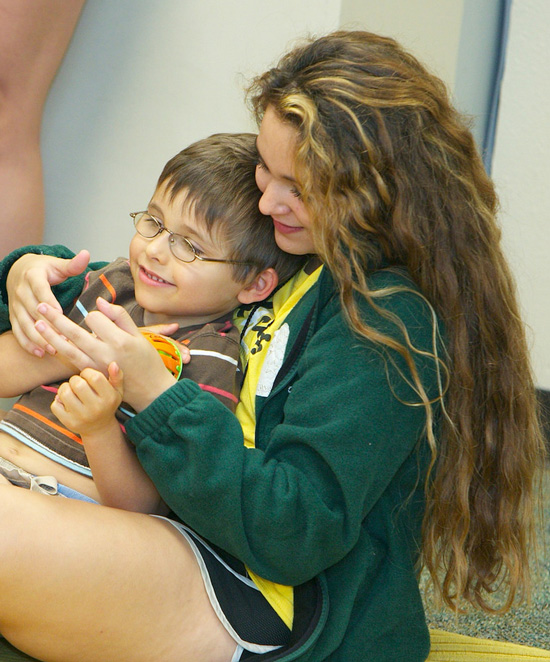
The Medical Home is a model of primary health care that focuses on team-based care with the patient and family at the center. It can be especially helpful for individuals with disabilities and chronic health conditions. But primary care can’t do it alone. We are here to help primary care, families and community partners find the best ways to work together to improve care for vulnerable children and youth in Washington State.
Primary focus areas:
- The medical home for children and youth, including how to support patient and family engagement
- The “medical home neighborhood,” which includes specialty and community services and how to coordinate care for patients
- Developmental screening in primary care practices and early childhood settings and helping enhance community assessment and diagnosis capacity for autism and other developmental disabilities
- Health care transformation and making services easily accessible for children, youth and their families.